Client: Cancer Council Victoria
Campaign: 1 in 2 Is Too Many - Creative explarations
(OOH + Social + mini zine)

Communication designer

Art director

Creative strategy

Storytelling

Disruptive design

Overview
1 in 2 of us will get diagnosed with cancer by age 85.
It is a confronting statistic, yet years of softened charity messaging have made it easy to ignore. This work explores a more disruptive creative direction that repositions the statistic as a call to action, making it harder to scroll past and easier to engage with.

Concept & Creative Approach
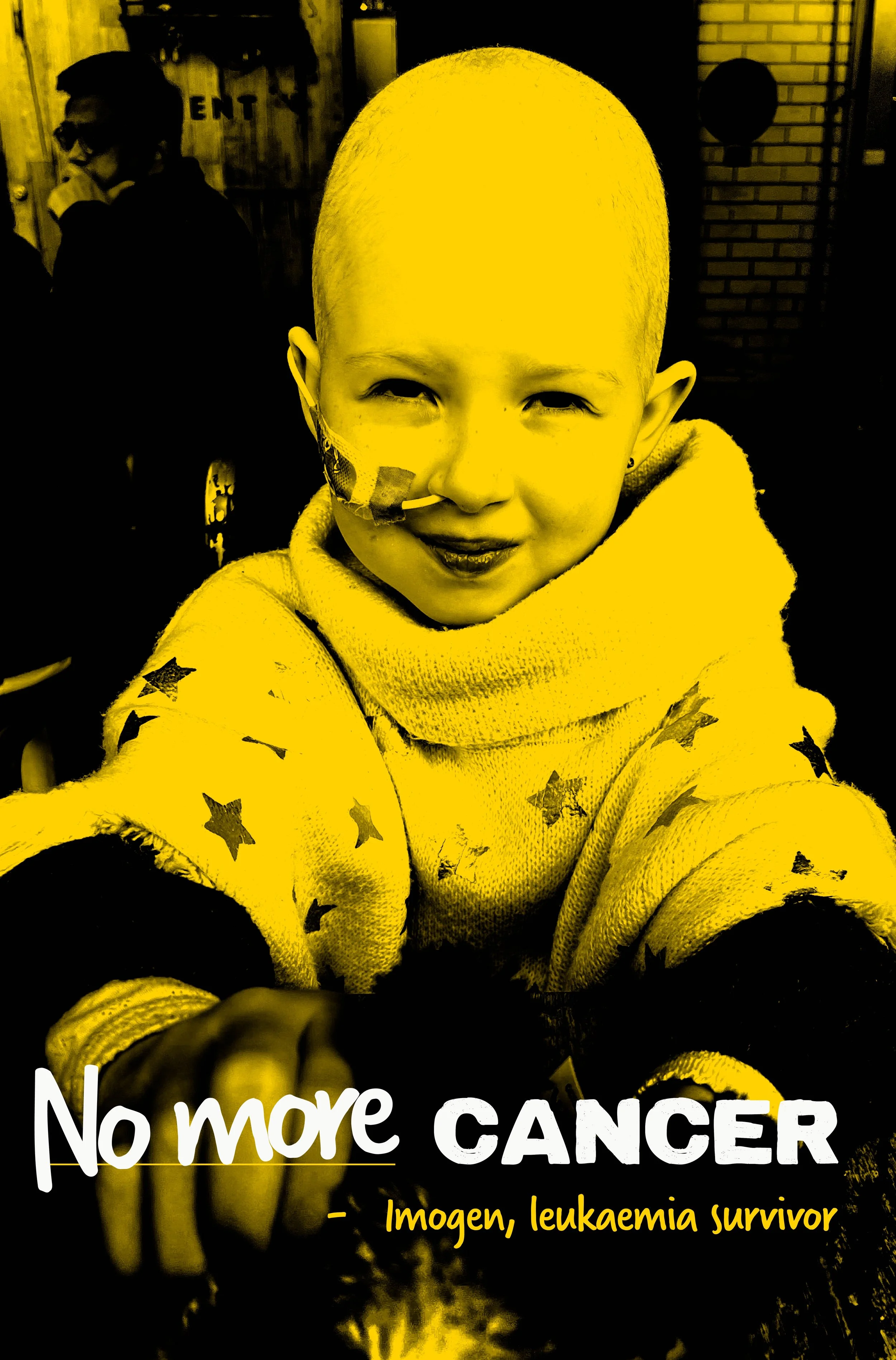
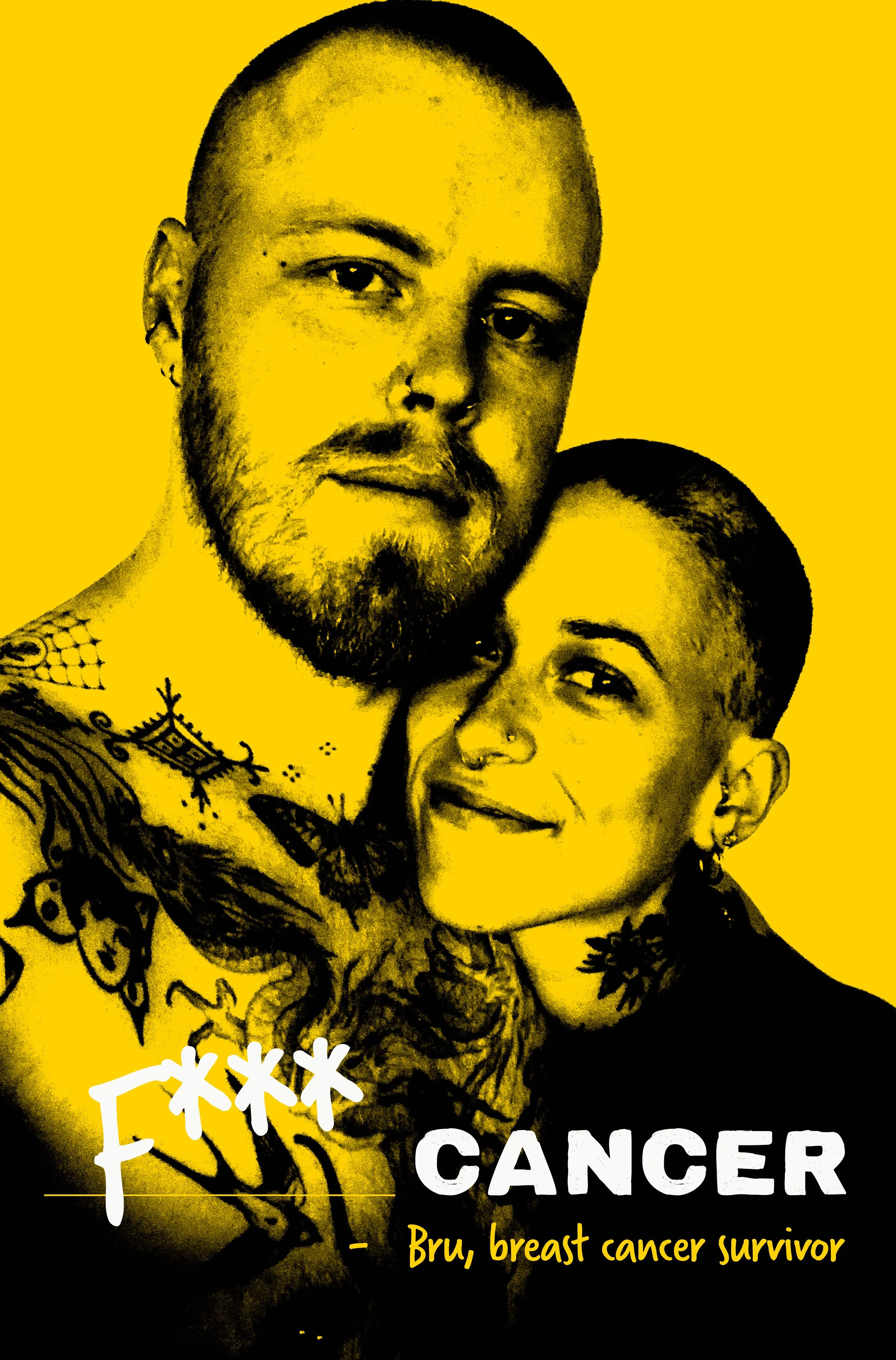
I developed bold, disruptive directions that reframed 1 in 2 from a passive fact into an urgent prompt for action. Concepts centred on real cancer survivors and unfiltered truth, surfacing emotions often sanitised in charity communications, including anger, defiance and resilience. These human stories became the emotional engine of the campaign.

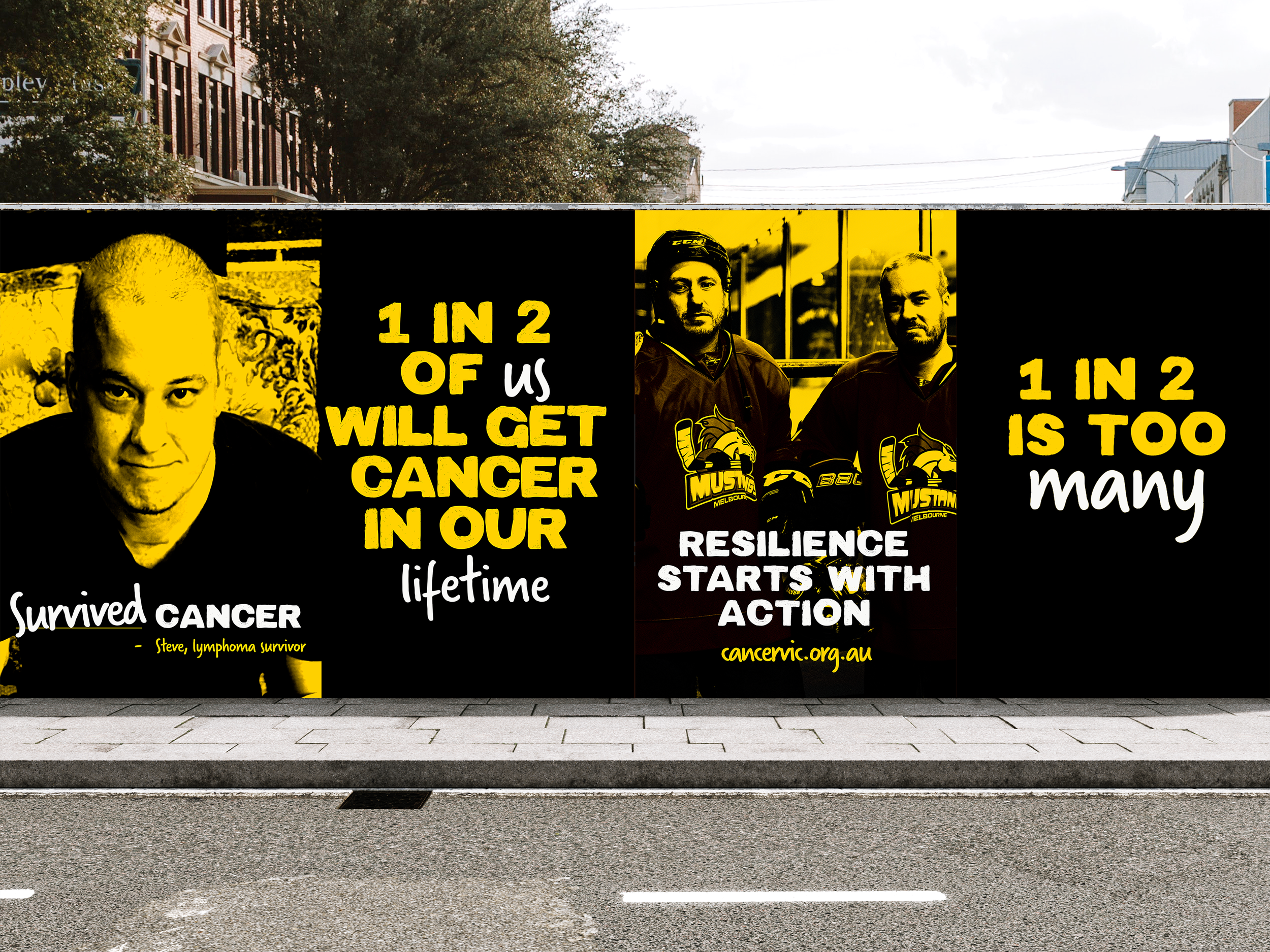
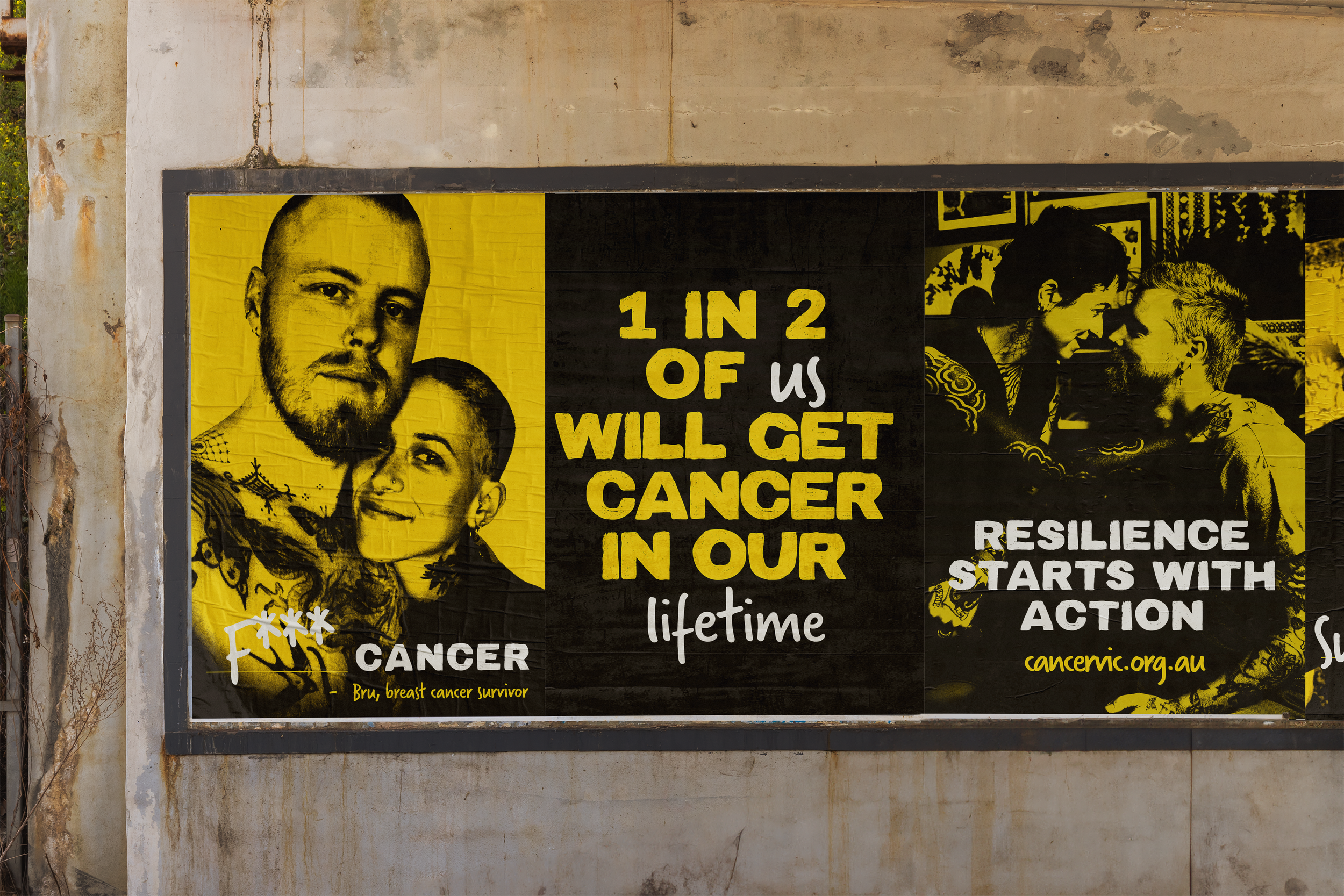
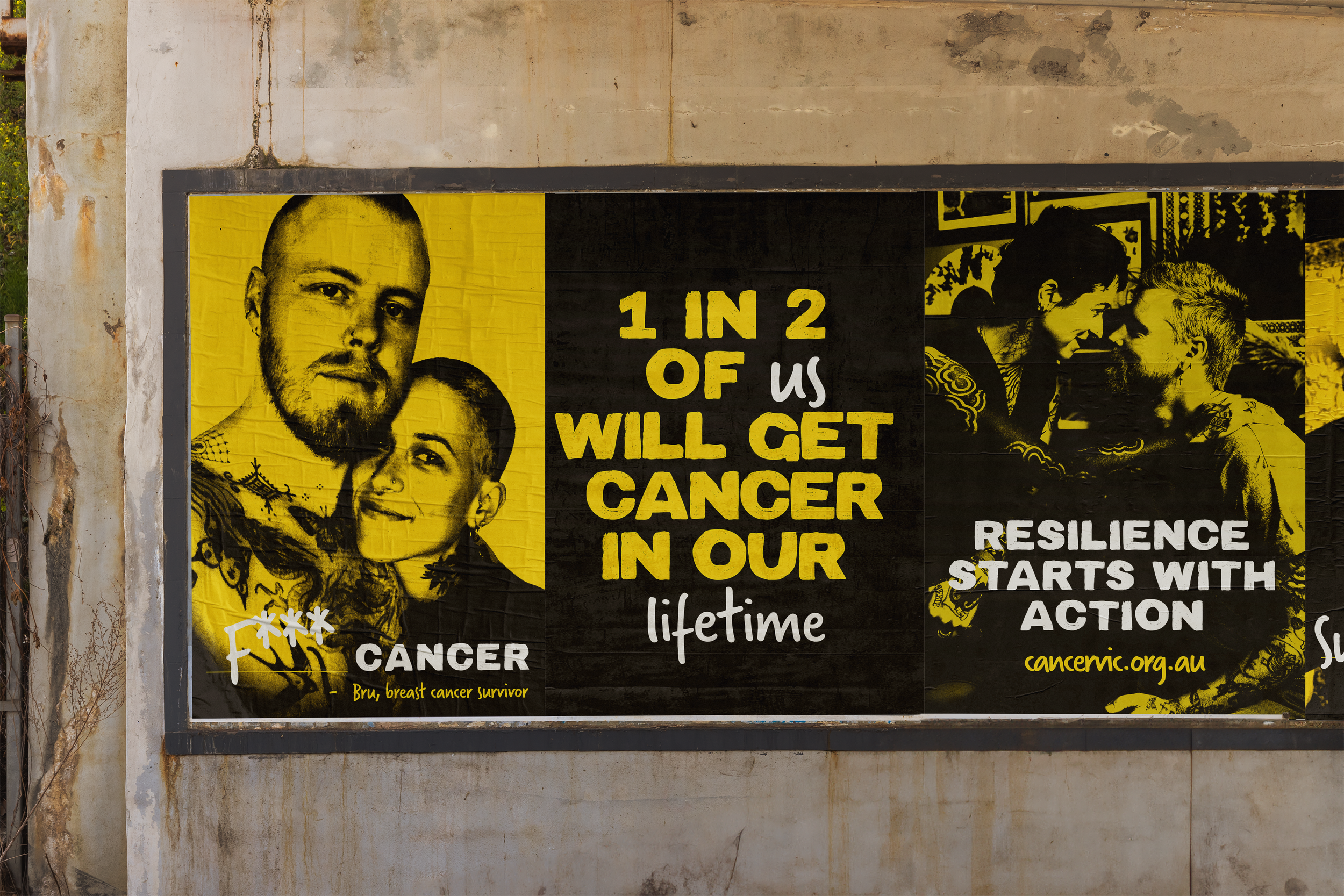
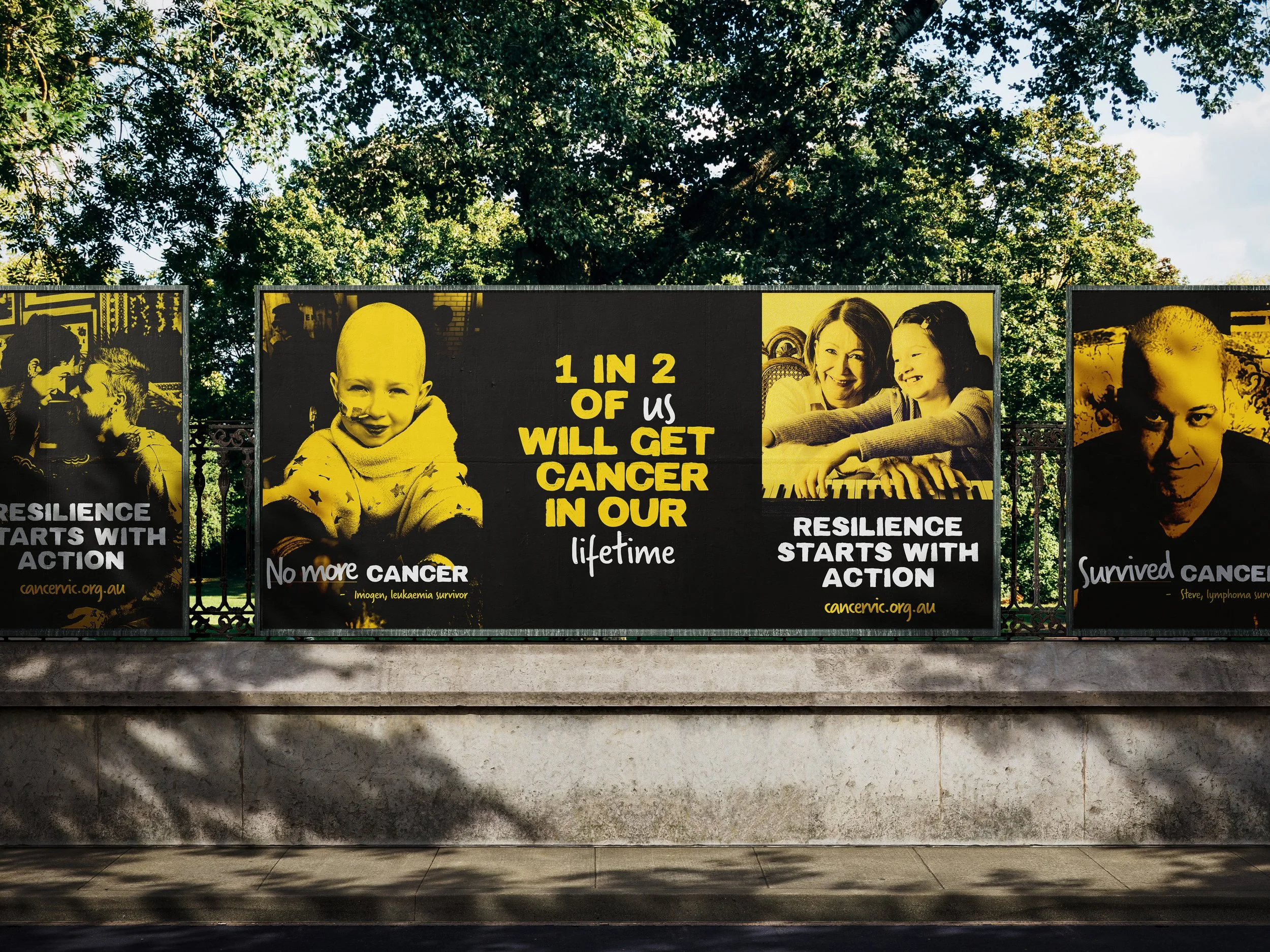
To extend this disruption across formats, I used two visual expressions. In video, a continuous glitch effect reflects how abruptly cancer can fracture someone’s life. In static assets, that same rupture is delivered through highly saturated black-and-yellow contrast that cuts sharply through crowded feeds.

Art Direction

  • Yellow embodies resilience, hope, and the fierce determination people find when facing cancer.

  • Black represents cancer itself. Heavy, disruptive, and unavoidable.
    The clash between these colours visualises the emotional tension at the heart of the disease.

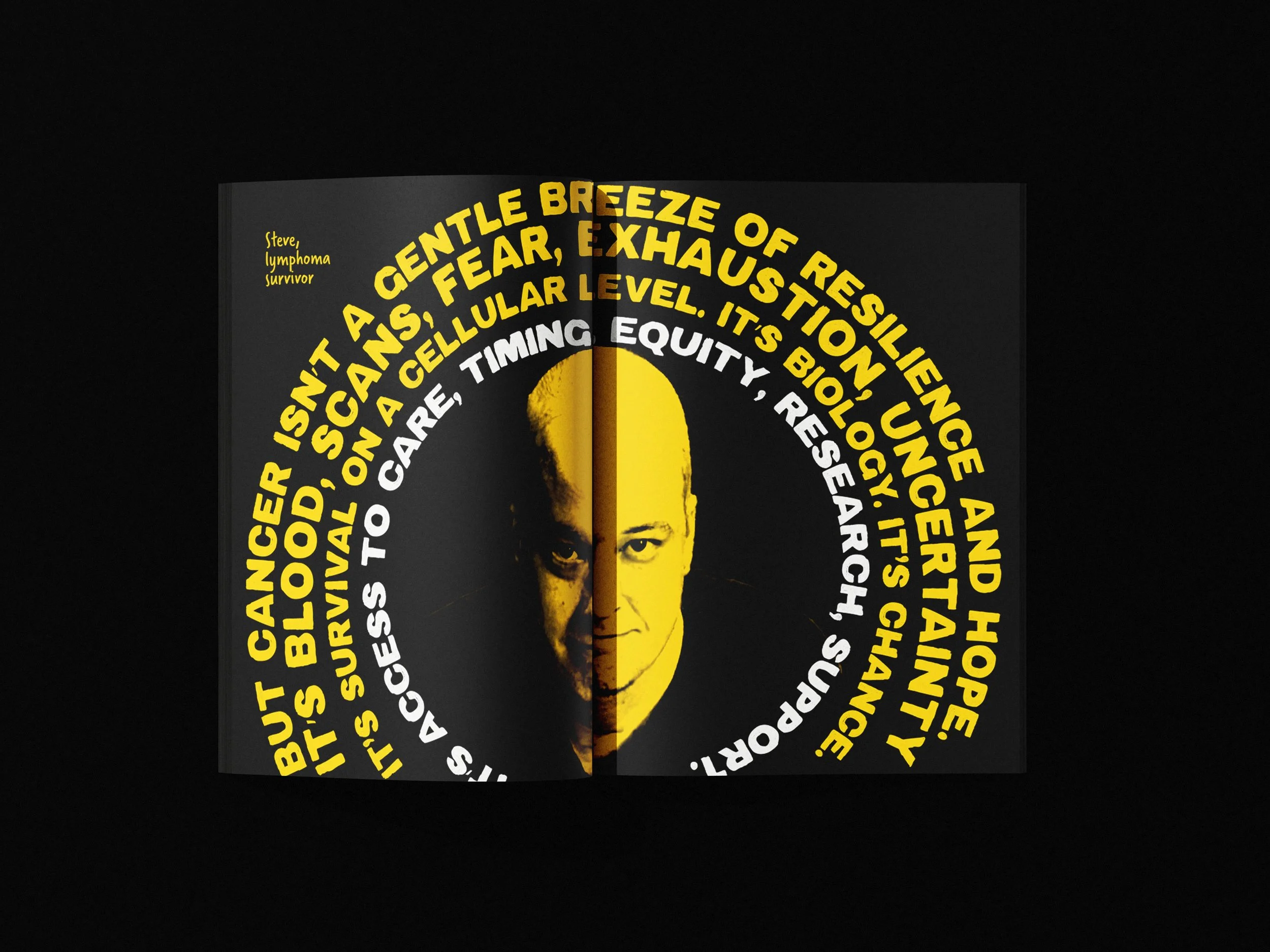
  • Dual typefaces express the contrast between the hard statistical truth and the raw human voice behind it.

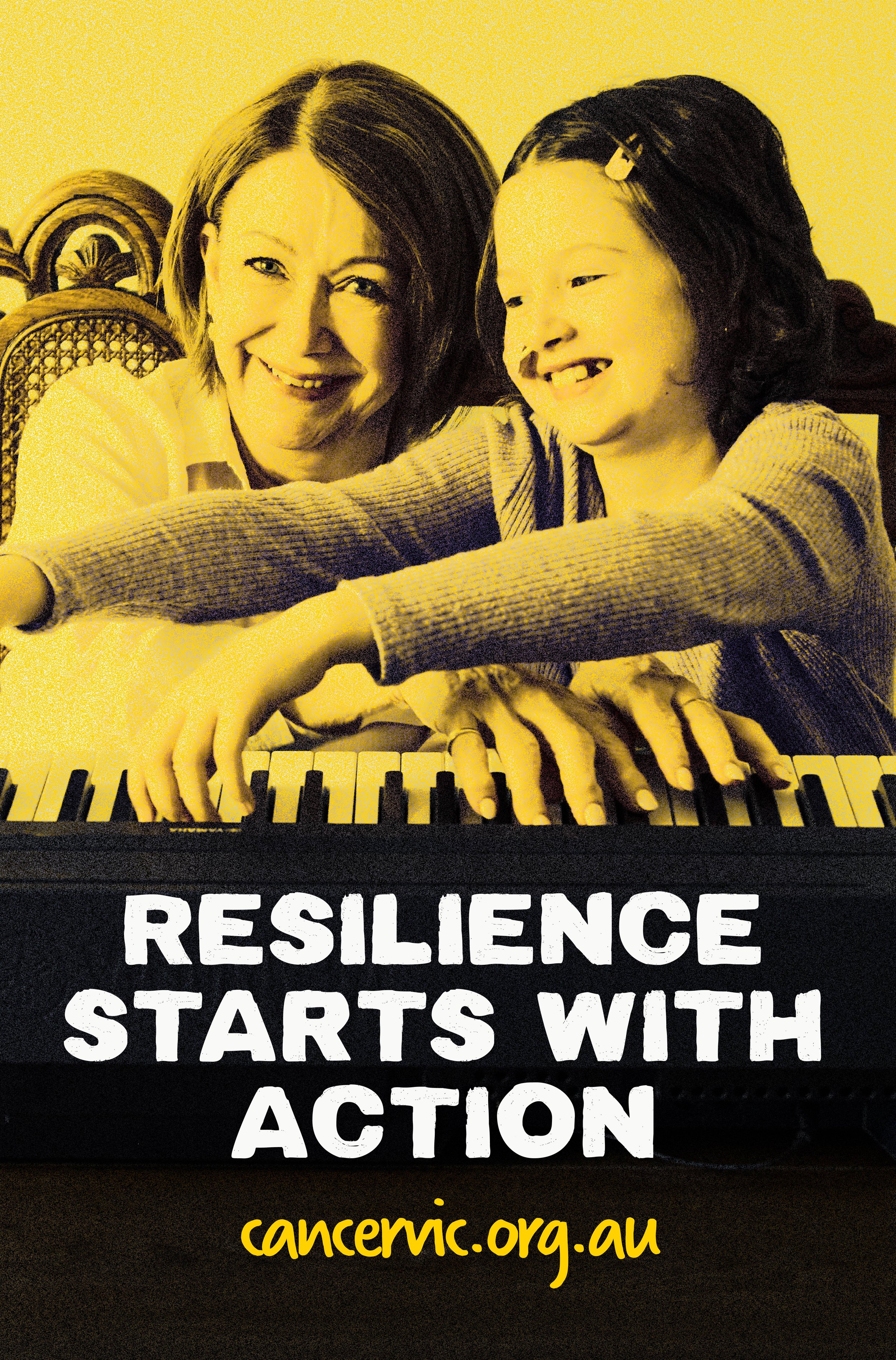
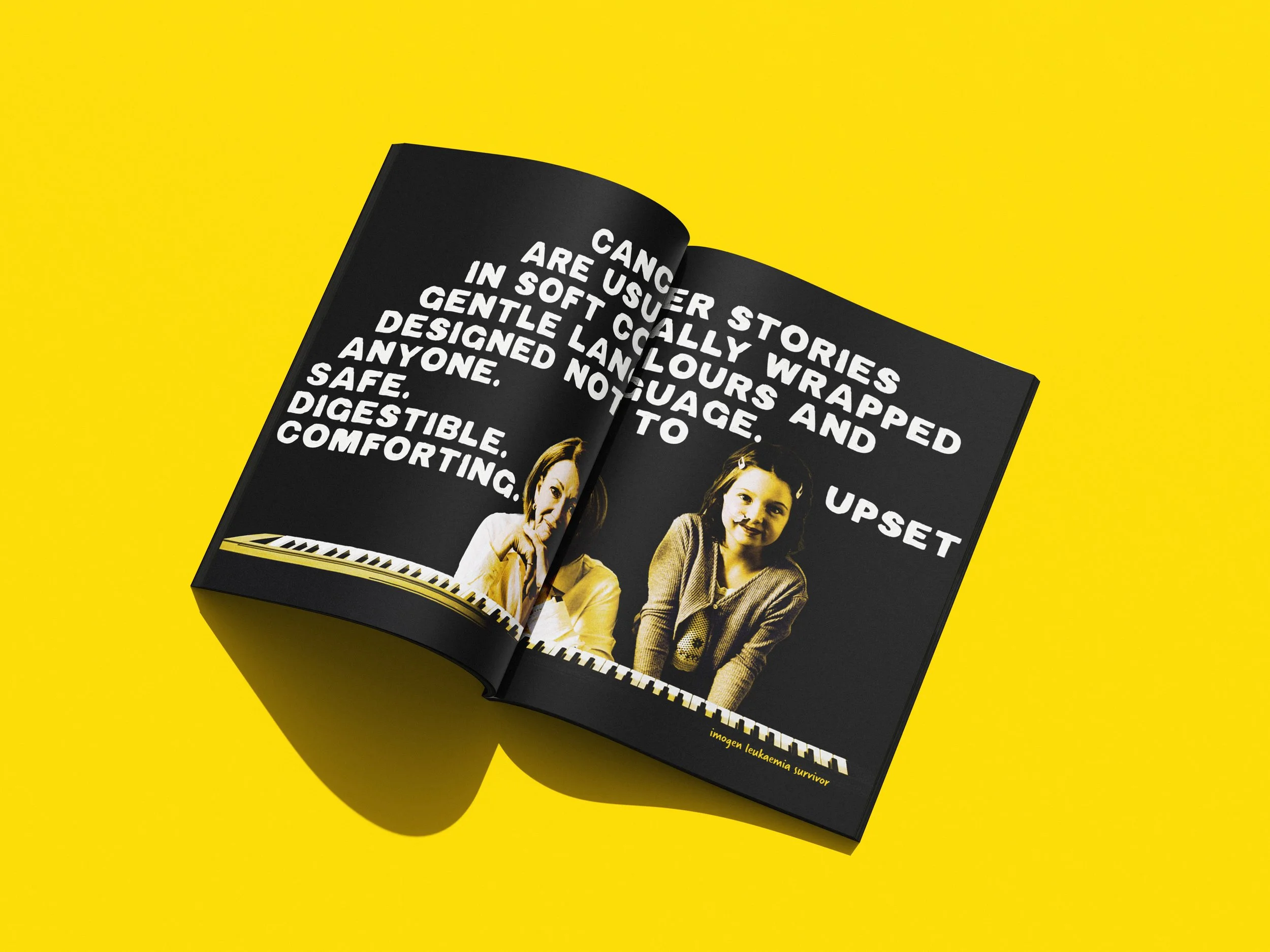
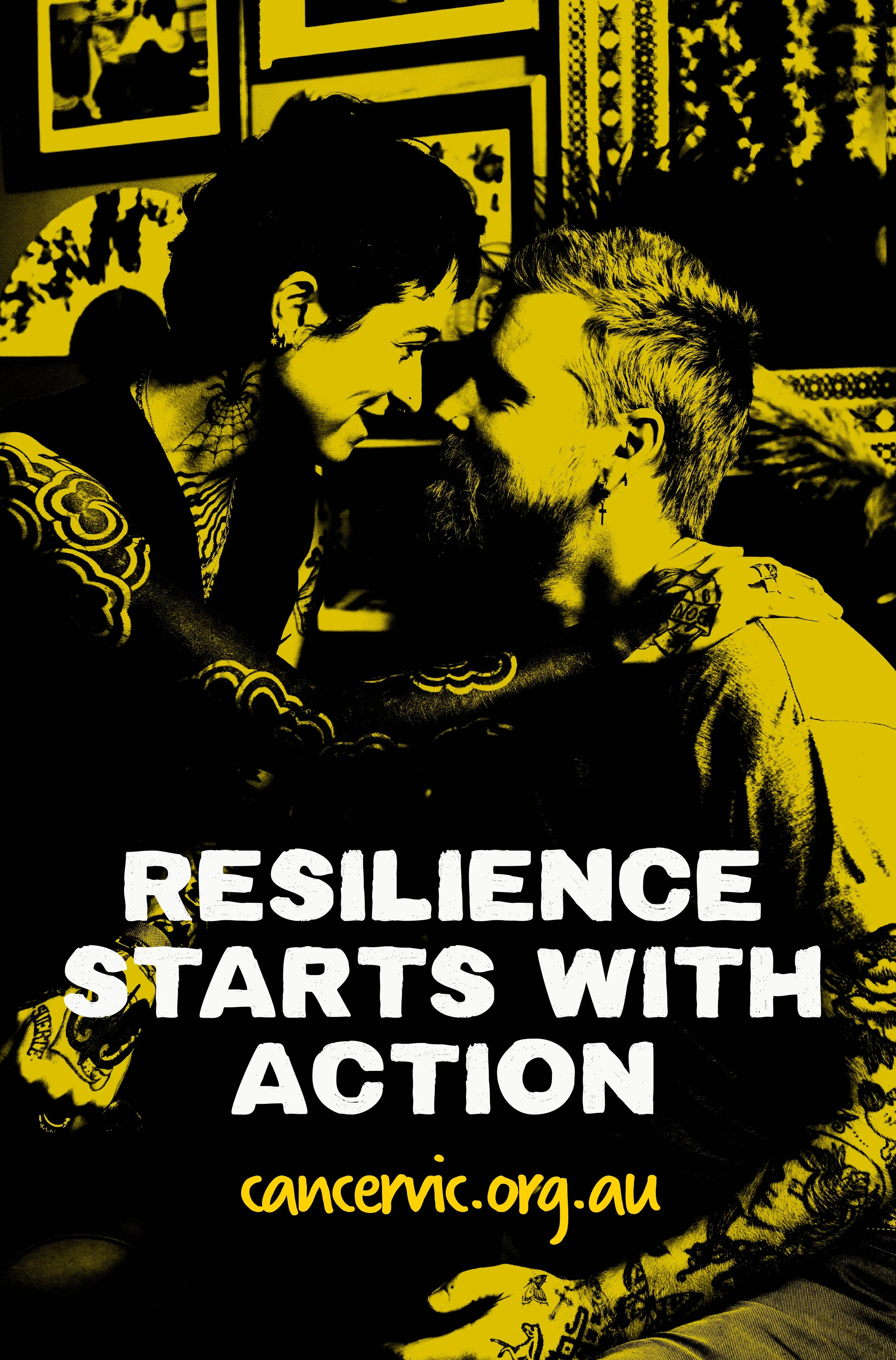
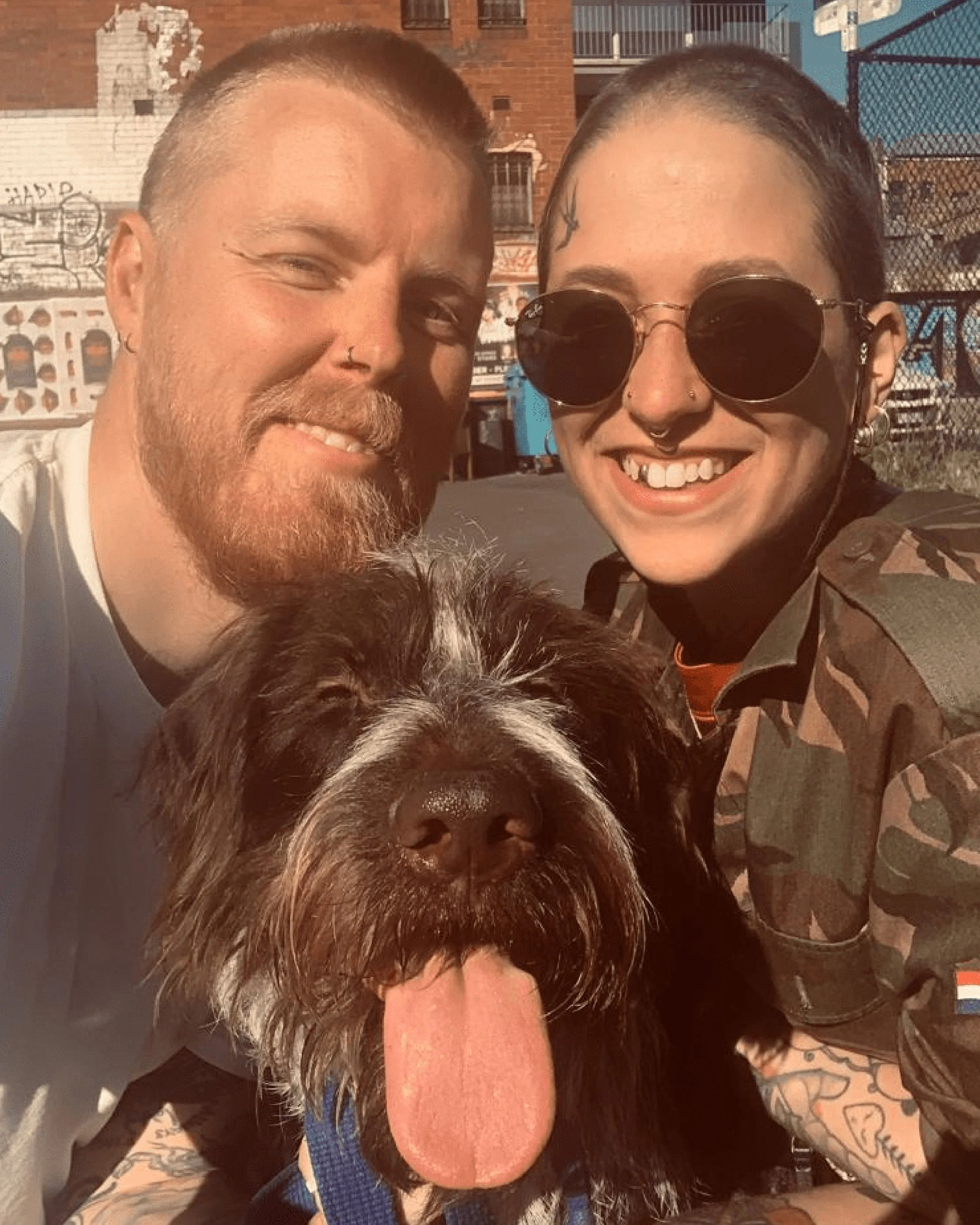
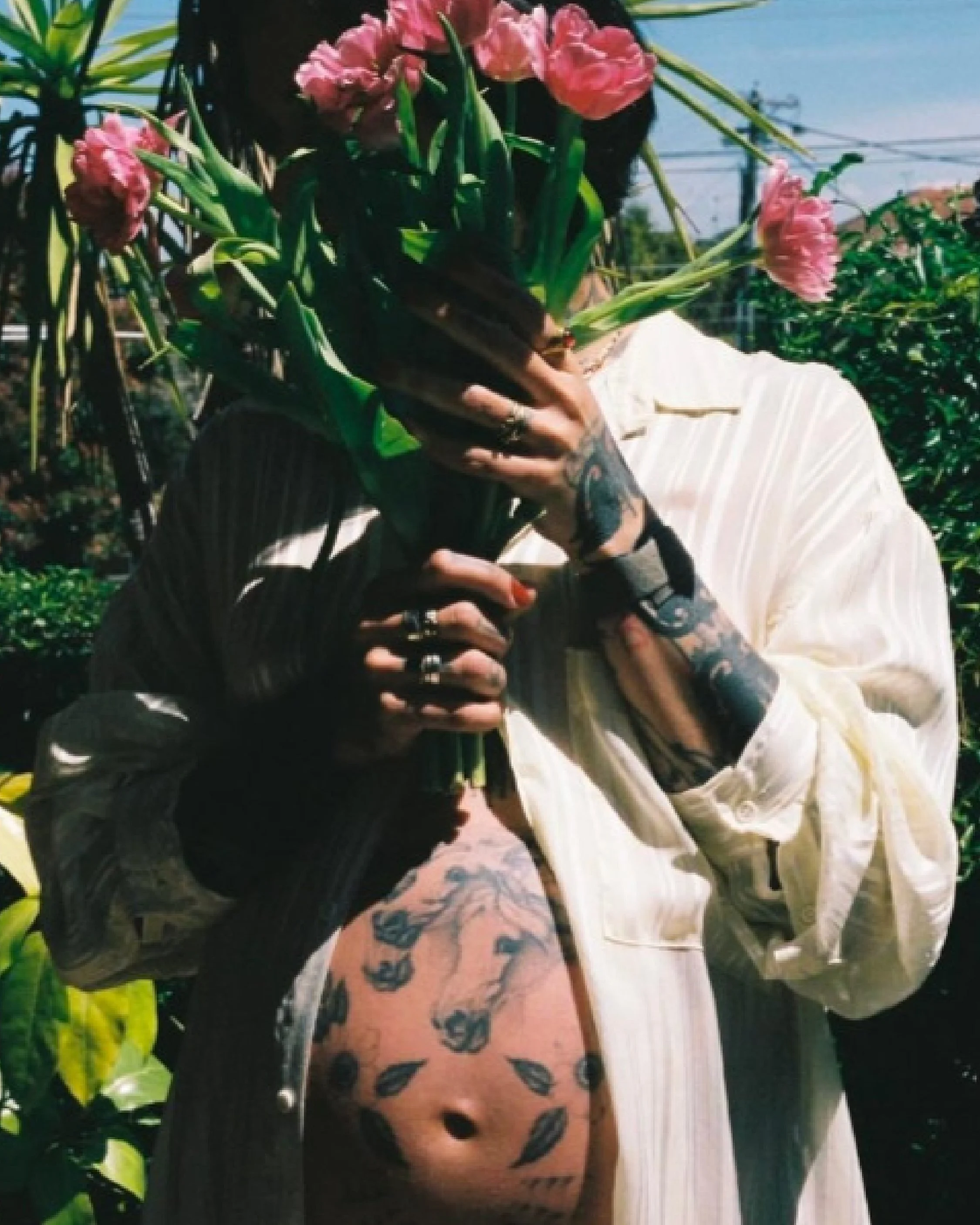
  • Unfiltered portraits centre real survivors, capturing lived experience with no polish, no sanitisation.

Messaging System
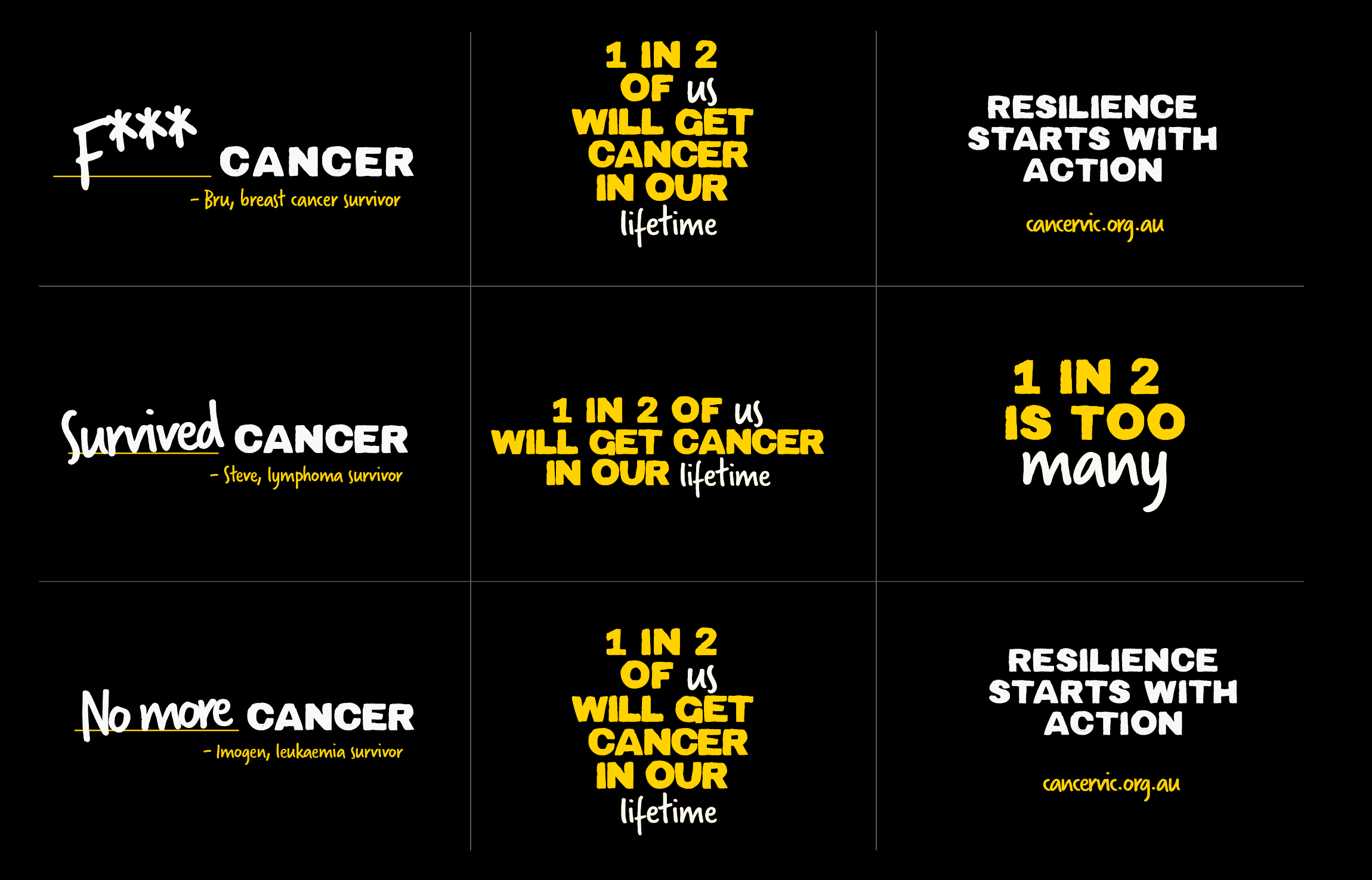
The campaign uses a modular messaging system built around the core statistic:
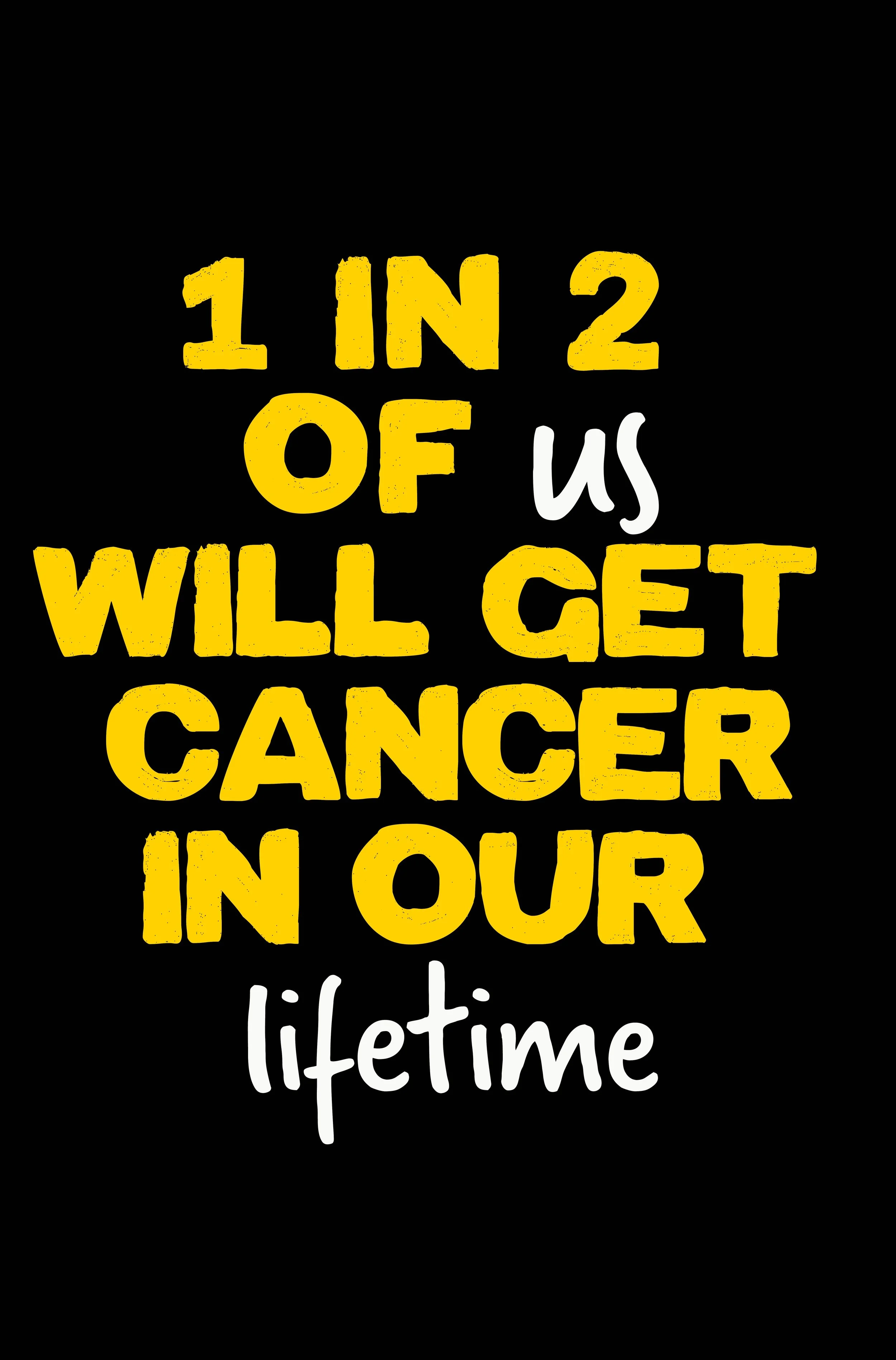
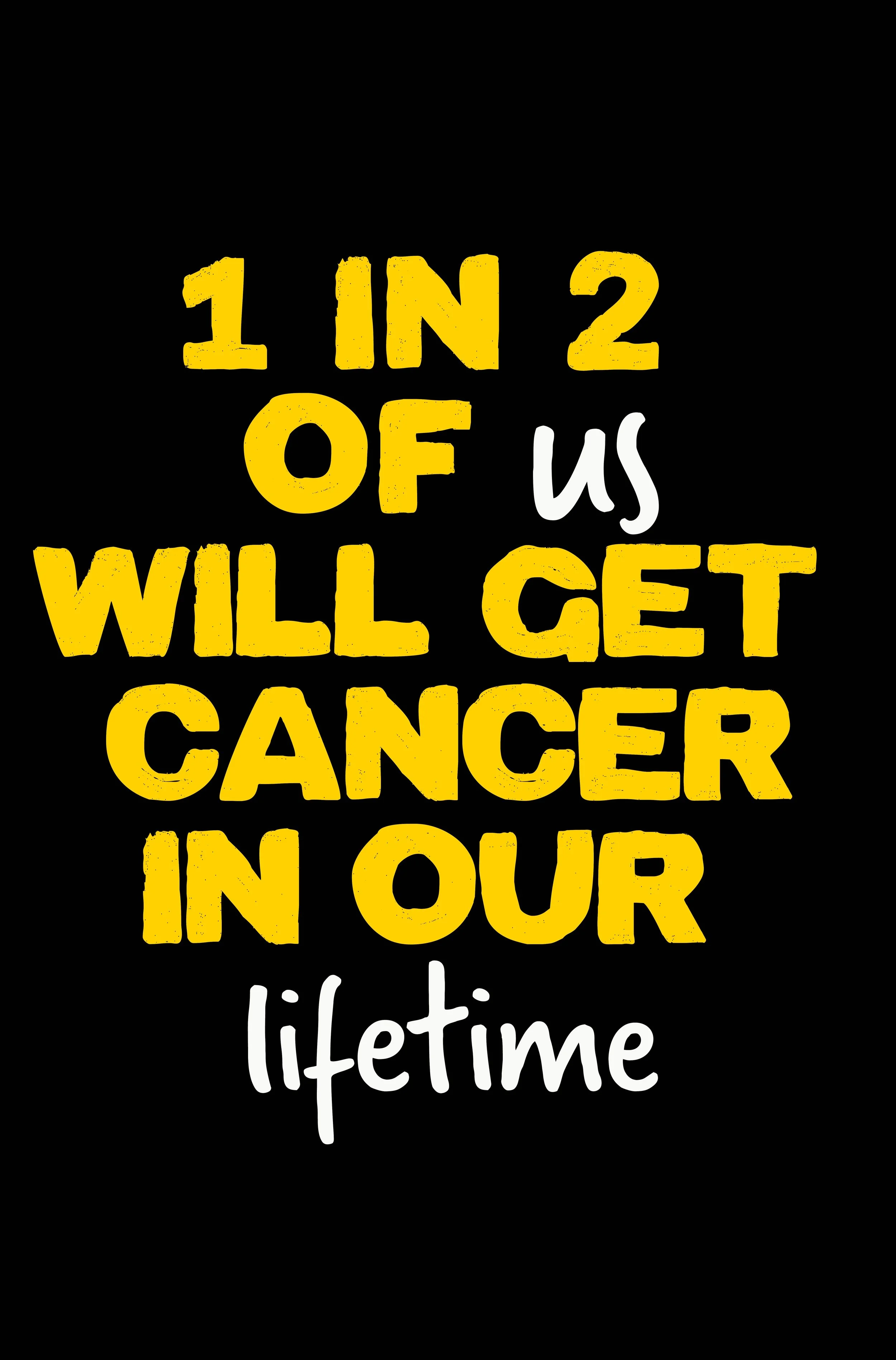
“1 in 2 of us will get cancer in our lifetime.” By repeating and breaking this line into different forms, the campaign reinforces urgency while creating multiple entry points for the audience.

Storytelling & Tone
The matrix highlights the tonal range of the campaign from raw survivor sentiment (“F*** Cancer”) to statistics to calls to action (“Resilience starts with action”).
Each message sits somewhere on the spectrum between emotional storytelling and behavioural prompting.

Typography as Emotion
The interplay between the two typefaces is deliberate:

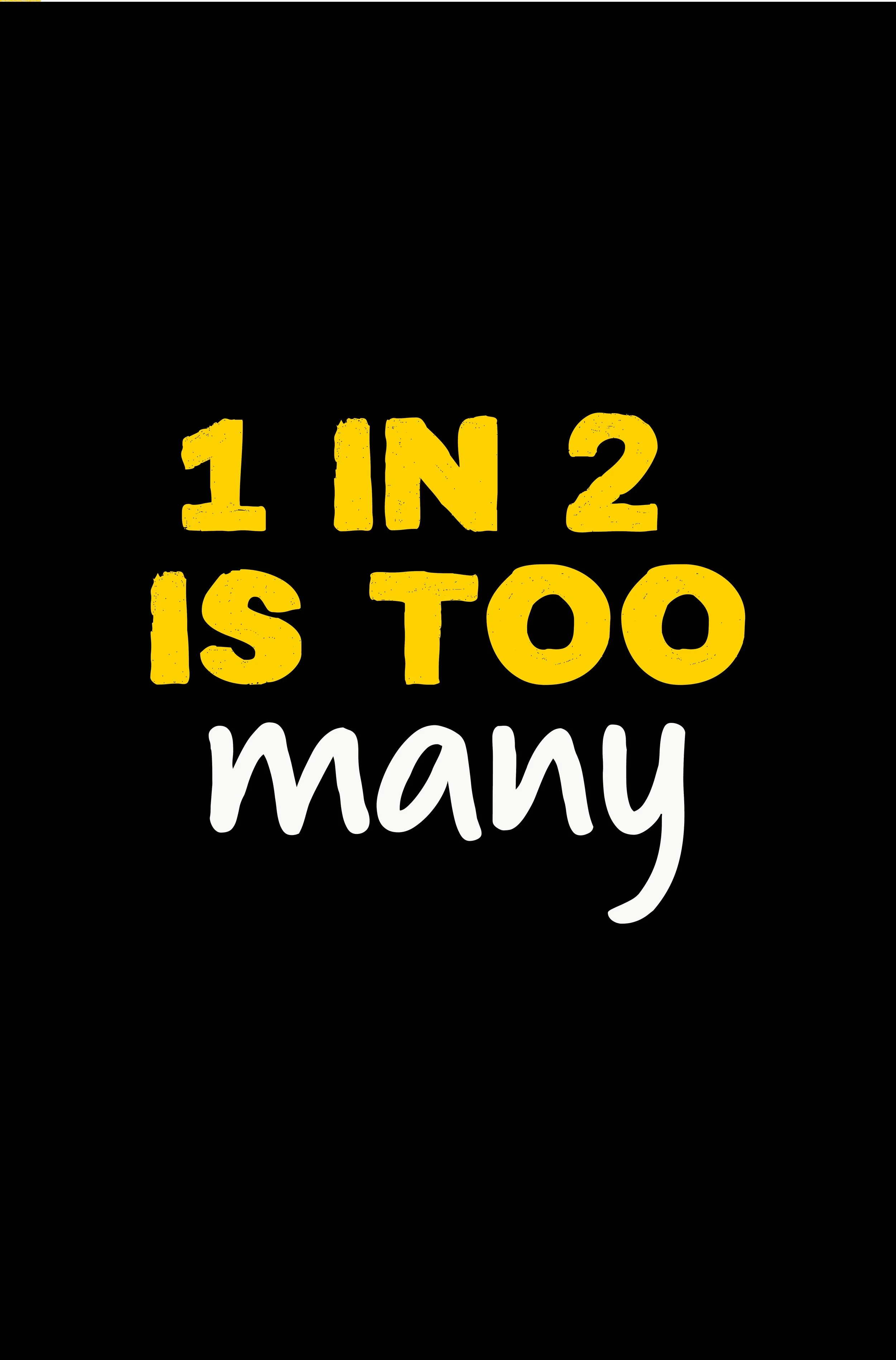
  • the bold, block type delivers non-negotiable facts

  • the handwritten type captures the human voice and lived experience
    This contrast becomes a visual signature throughout the campaign.

Modular & Scalable
The messaging tiles were designed as a flexible system that could scale across OOH, social, and digital placements.

The core statements (“1 in 2 Is Too Many”) can adapt to digital formats, but the full narrative performs best in analogue, high-engagement spaces.
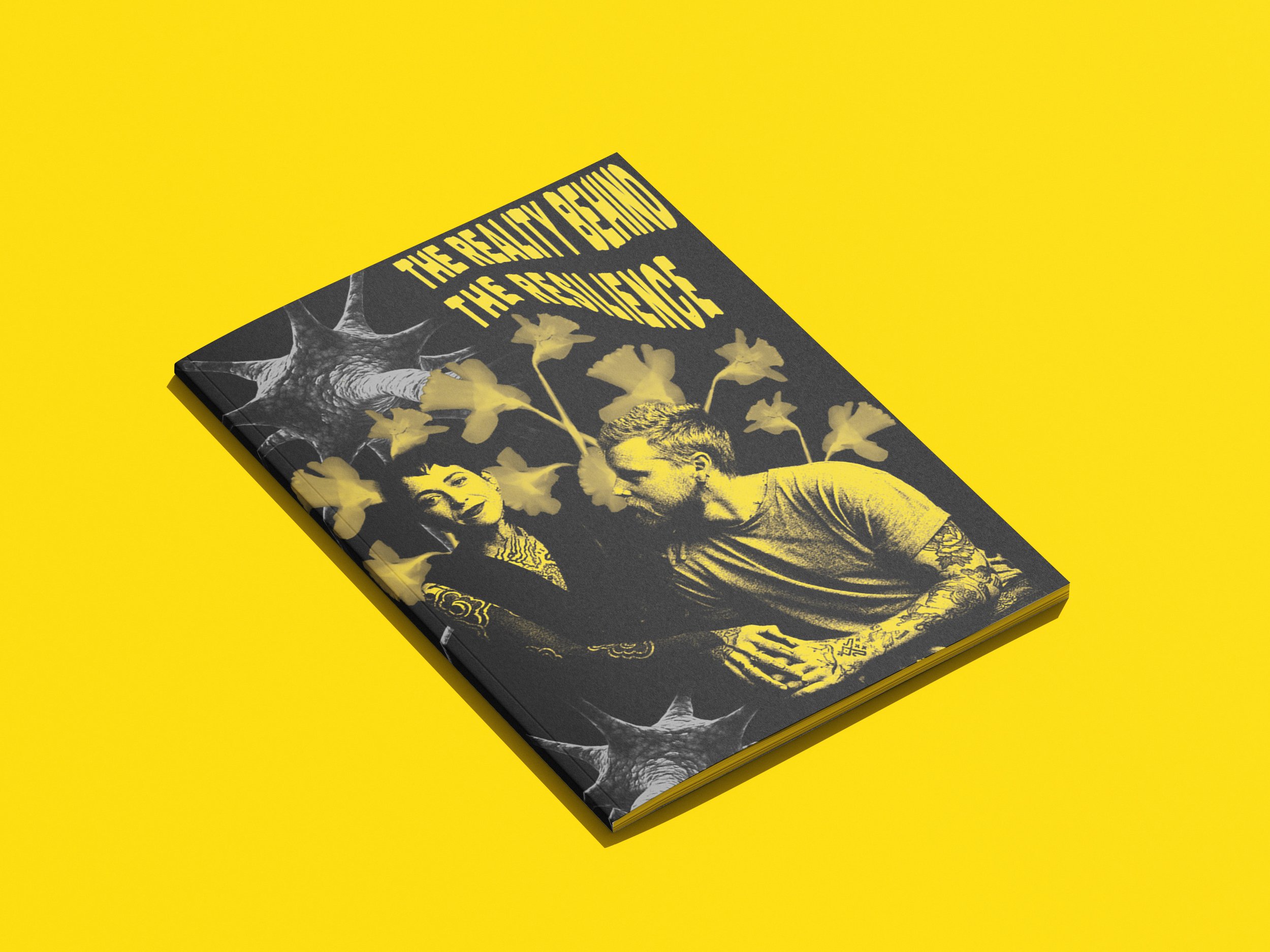
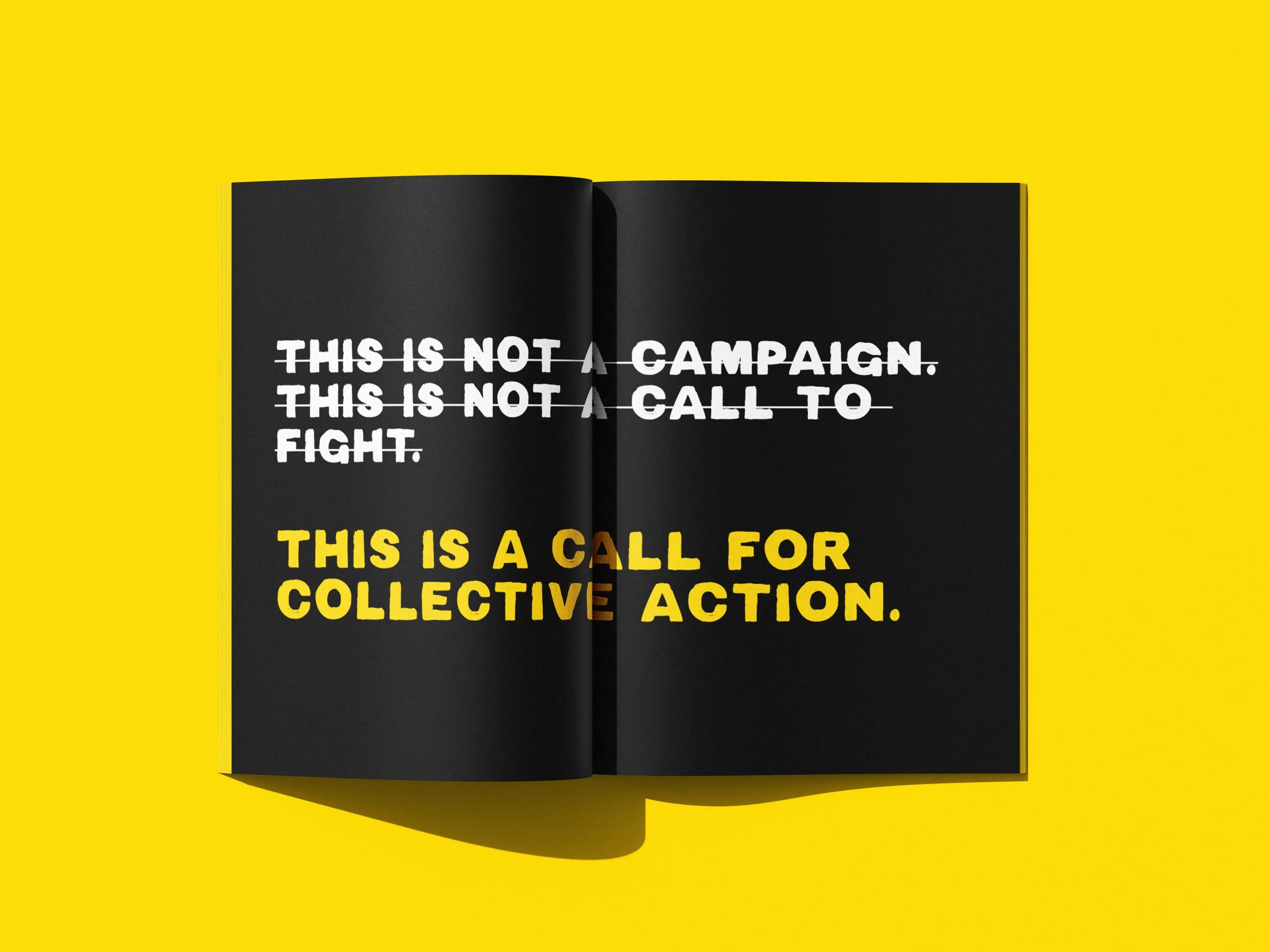
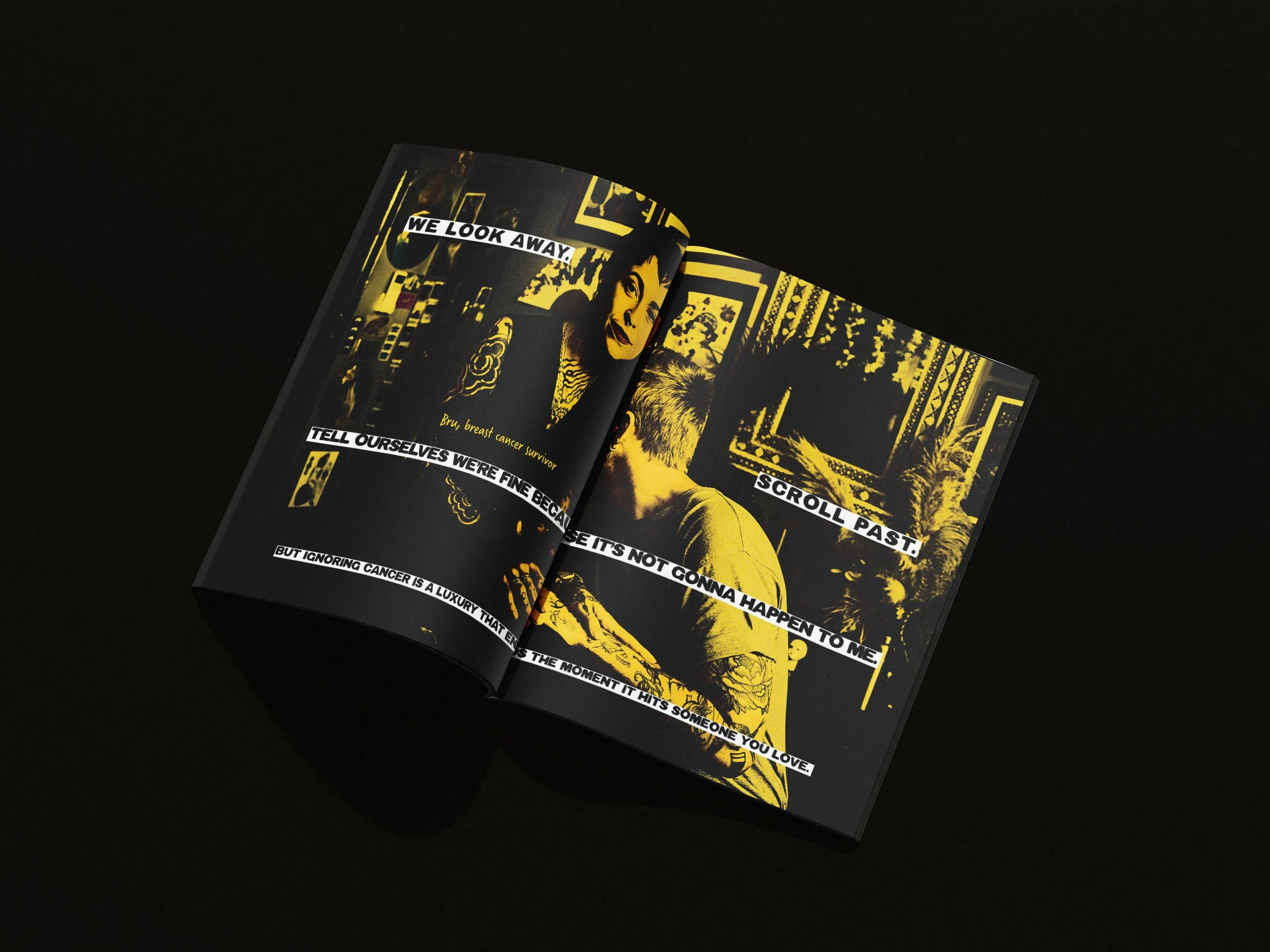
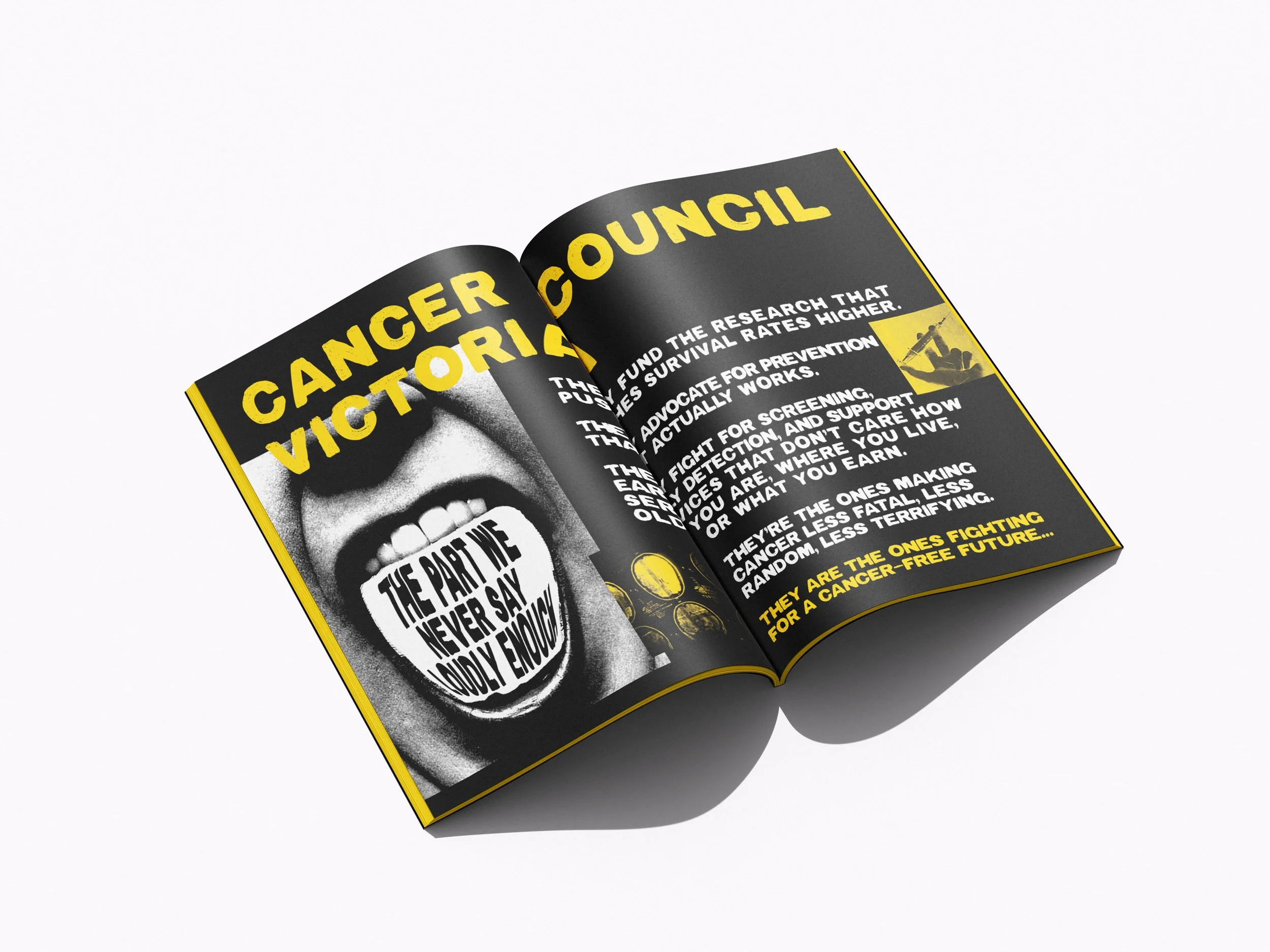
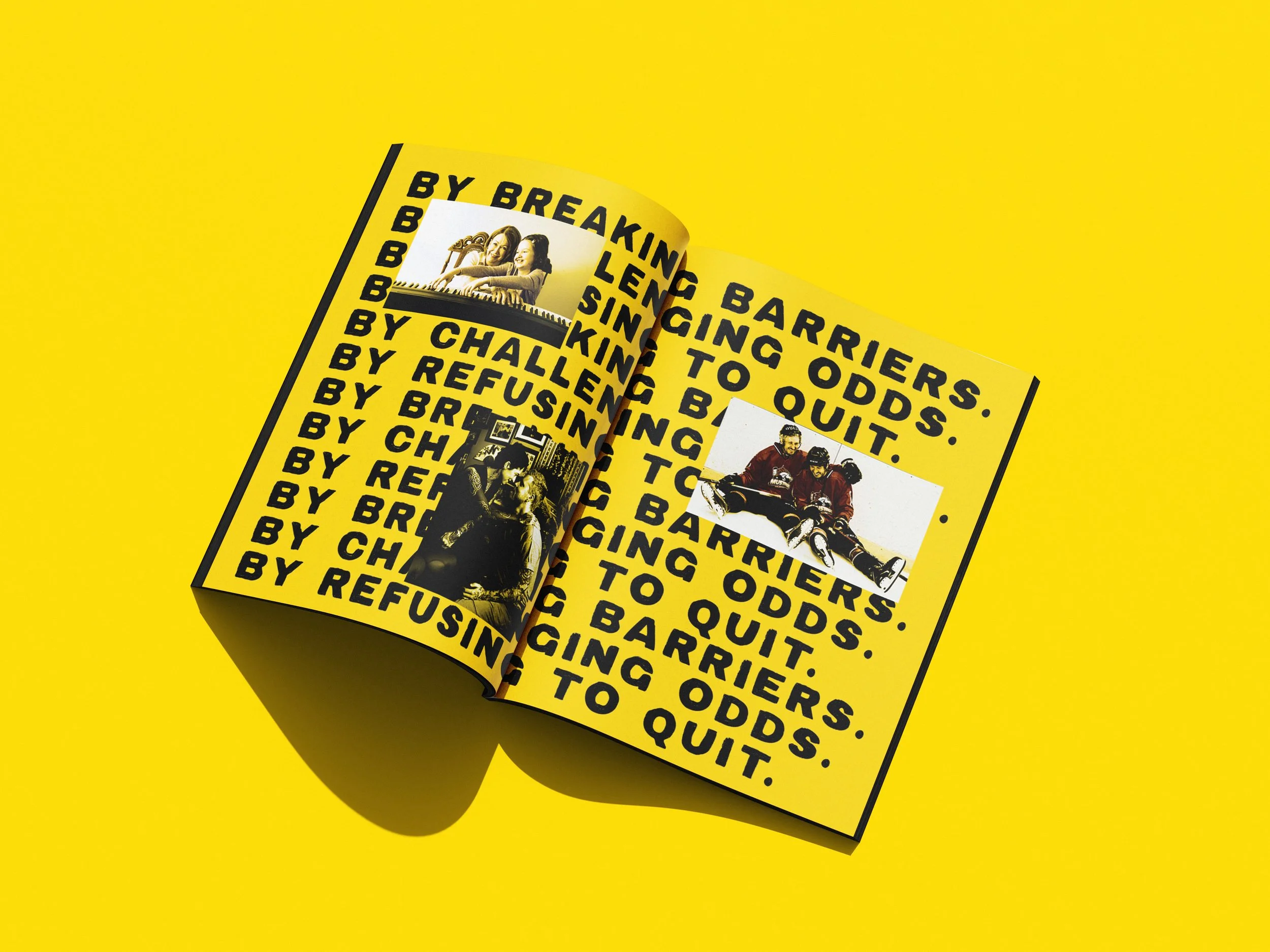
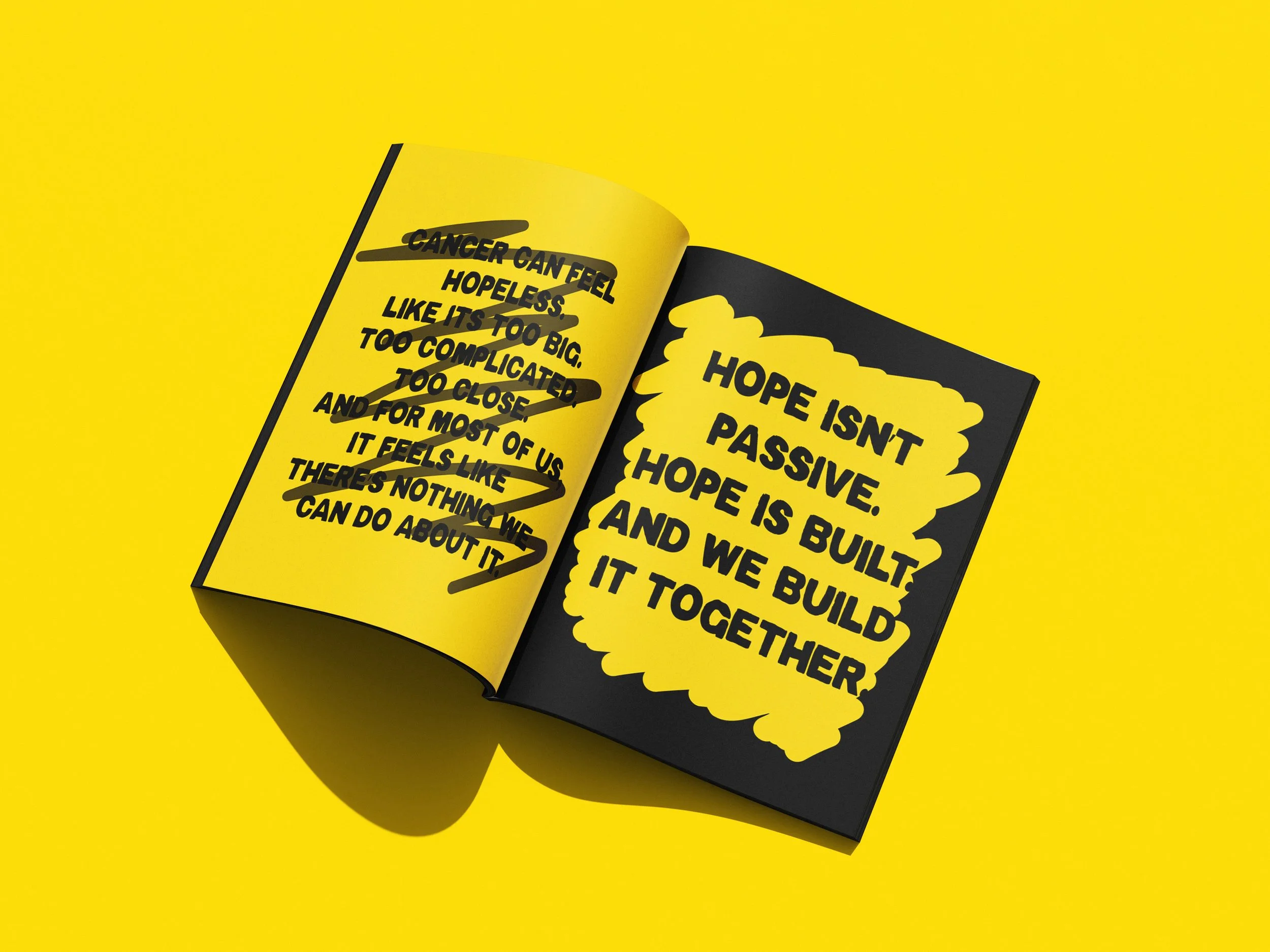
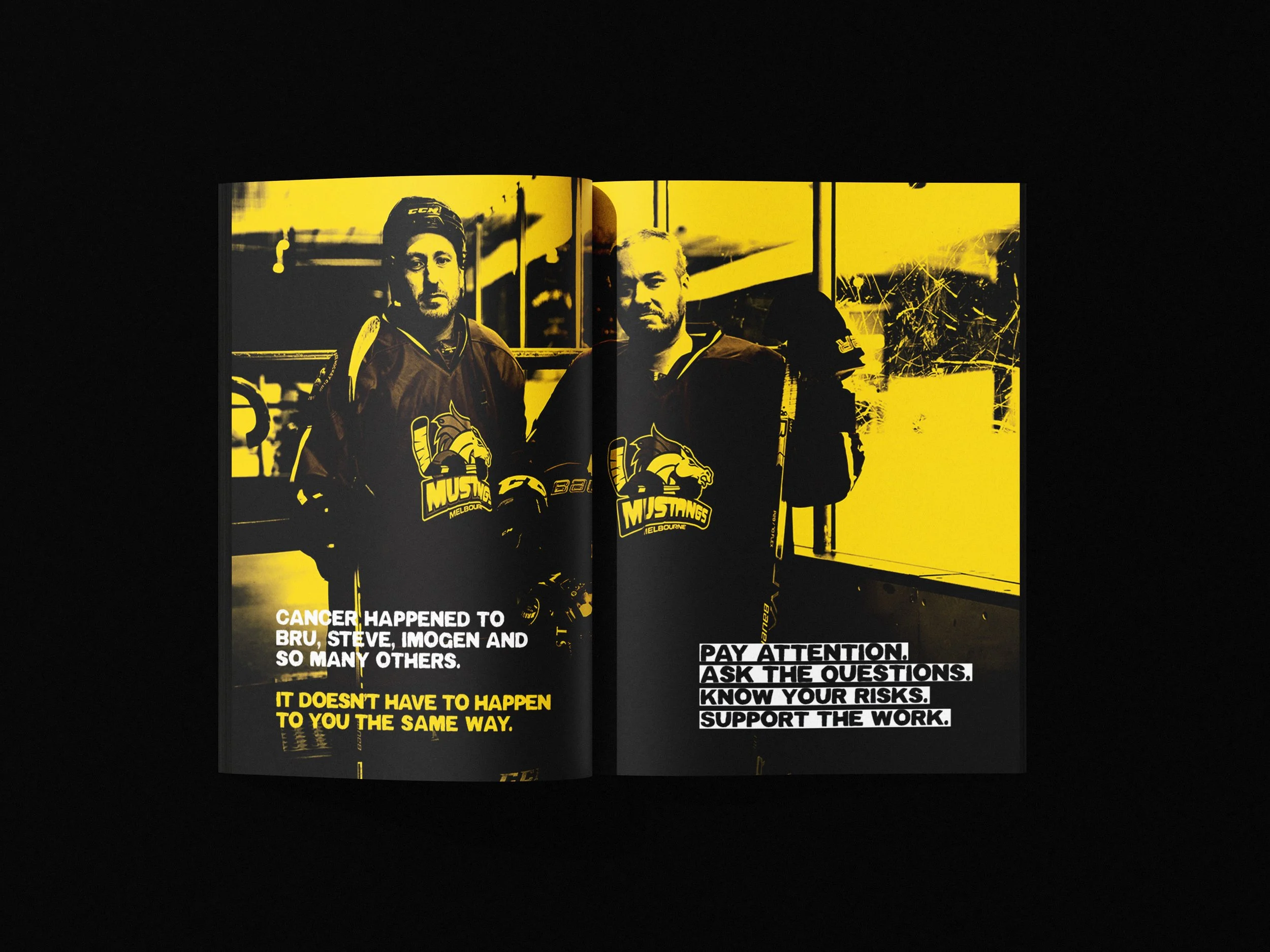
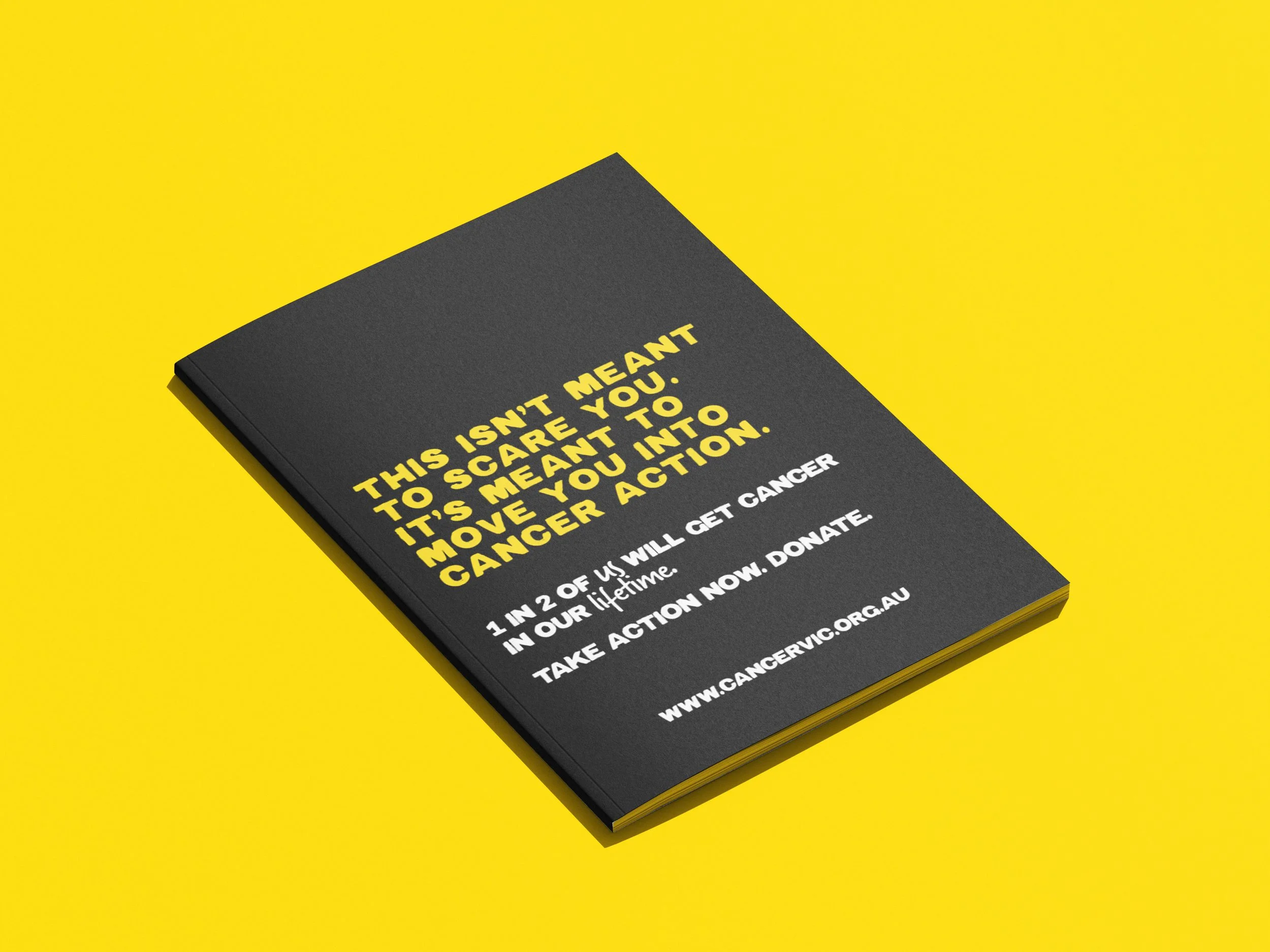
Cancer action mini zine
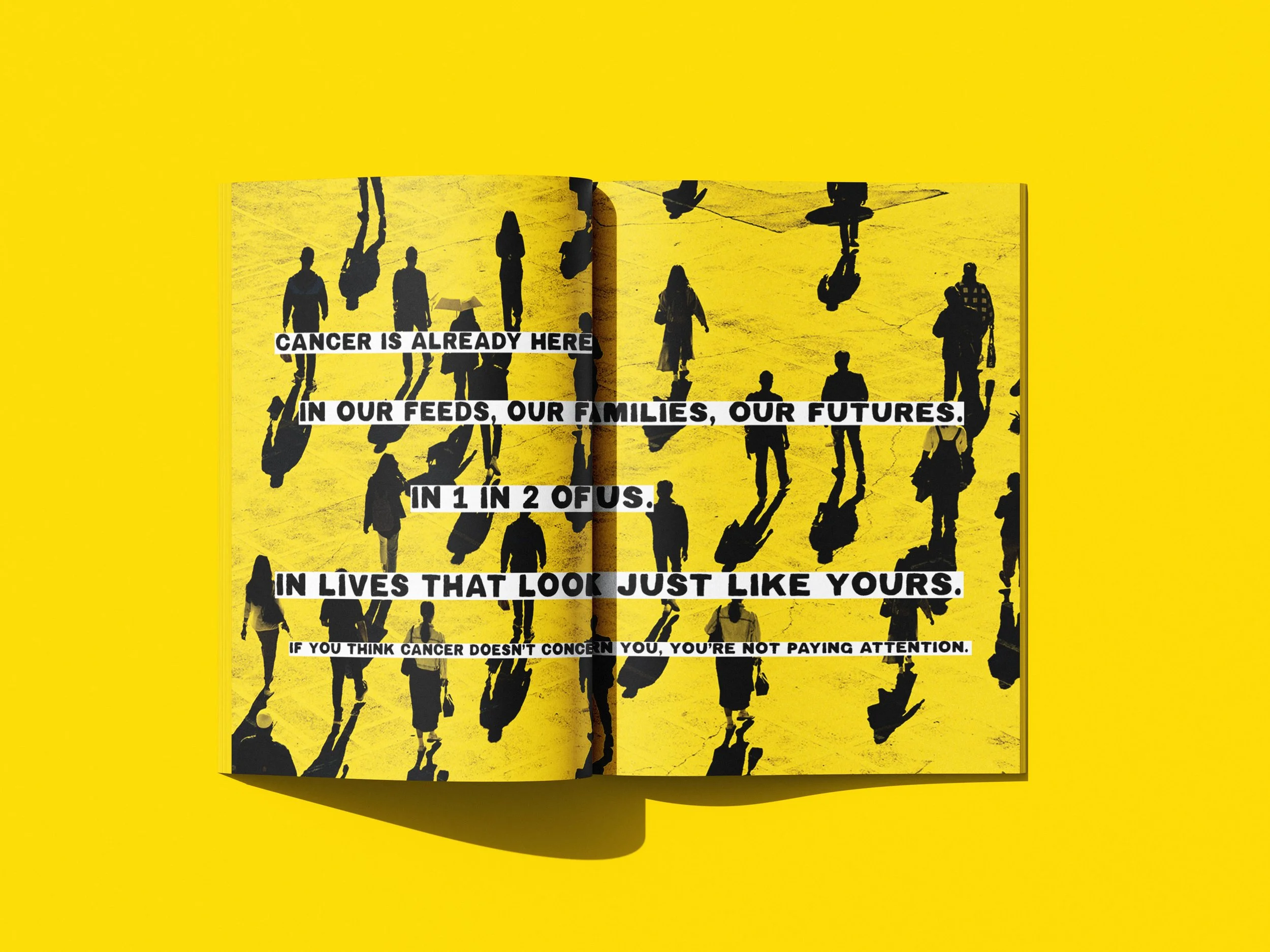
As part of my creative explorations for the 1 in 2 Is Too Many campaign, I developed a mini zine designed to challenge the way people emotionally disengage from cancer. Many believe “it won’t happen to me” or scroll past because it feels distant but with 1 in 2 people expected to be diagnosed in their lifetime, apathy is dangerous.

Purpose & Thinking

  • Expose the emotional distance people maintain from cancer (“it doesn’t concern me,” “I’m too young”).

  • Break through desensitisation by using bold statements, sharp contrasts, and uncomfortable honesty.

  • Show why paying attention matters by highlighting the work Cancer Council Victoria does to change outcomes.

  • Turn passive awareness into collective action such as screening, knowing your risks, asking questions, supporting research.

  • Deliver information in a raw, fast, scroll-stopping format that mirrors how people actually engage with content today.

Visual & Editorial Direction

  • High-contrast layouts to disrupt scrolling behaviours.

  • Direct, active language (“pay attention”, “this isn’t meant to scare you”, “take action now”).

  • Portraits of survivors to collapse the distance between “them” and “us.”

  • Repetition and rhythm (“breaking barriers. challenging odds. refusing to quit.”) to reinforce urgency and momentum.

Paid social strategy
Paid assets were designed for immediate interruption and recall in fast-moving feeds. Motion and colour were treated as strategic tools rather than decoration.

Glitch in motion destabilises the viewing experience, mirroring the shock of diagnosis, while extreme black-and-yellow contrast in static assets dominates the screen within a single frame. Together, these formats ensure the message lands quickly, emotionally, and directs attention toward action.

Organic social strategy
Organic social prioritised narrative depth and sustained engagement. Carousel formats were used to unfold survivor stories sequentially, allowing emotional connection to build over multiple frames. Each story was paired with clear touchpoints to Cancer Council Victoria’s work in support, research and prevention, grounding services in lived outcomes.

Stories intentionally end on a hopeful moment to retain attention, build trust, and reinforce life beyond cancer within a sensitive content space.

Explorations & Audience Engagement

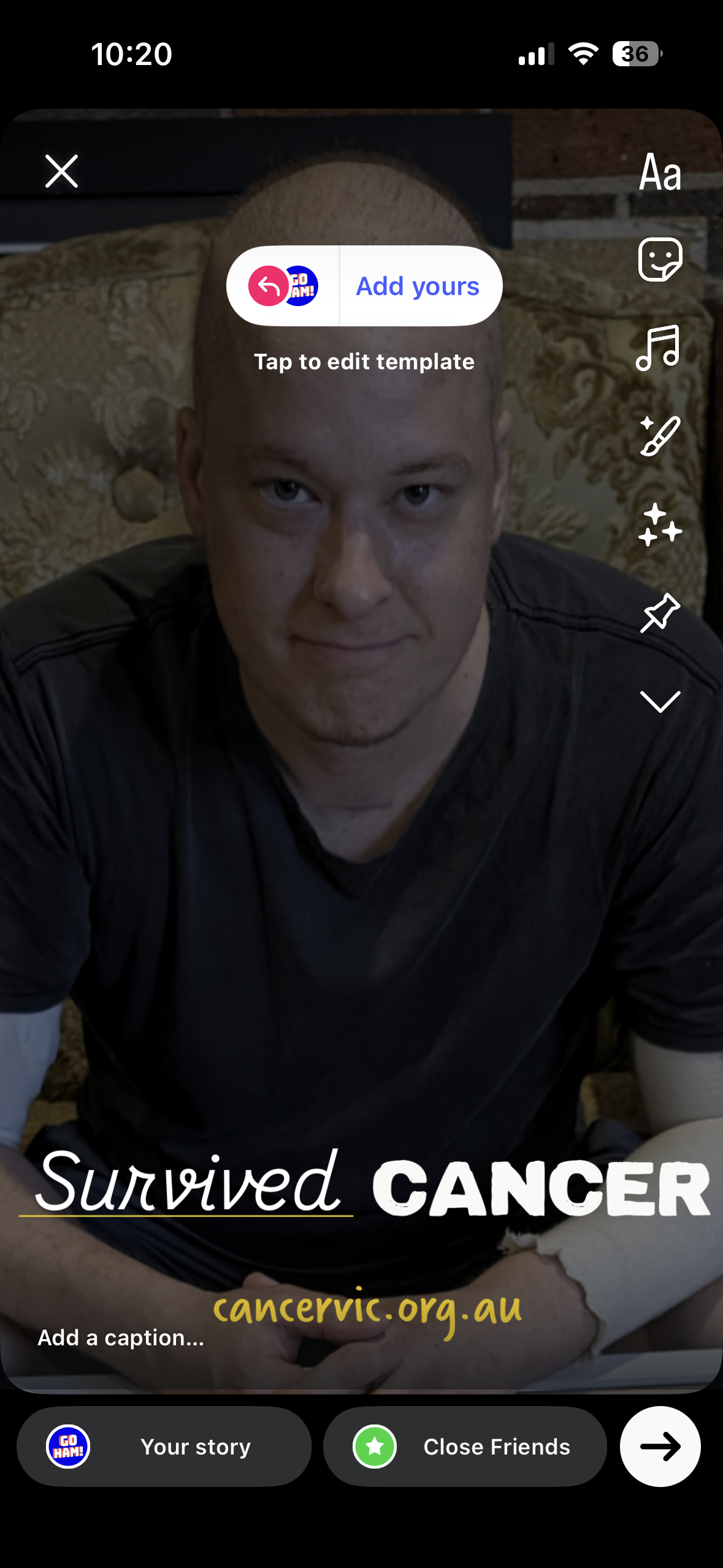
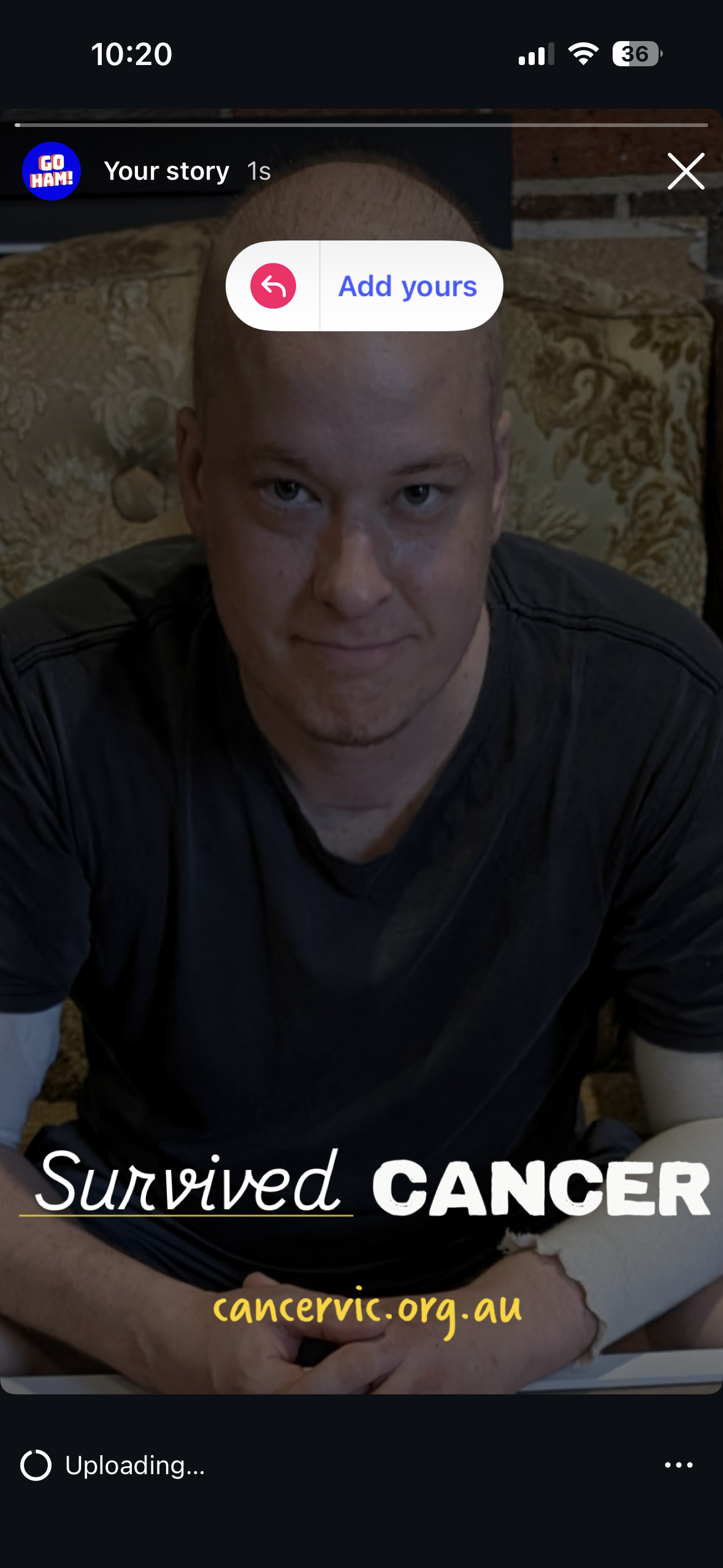
As part of the conceptual development, I designed an interactive Meta template ‘Add yours’ that would encourage people to share their own stories and sentiments about cancer. This approach aimed to make the 1 in 2 statistic visible through real community voices, transforming the campaign into a participatory, collective experience.
Outcome & reflection
While the final campaign direction was more conservative, these explorations represent my approach to public health communication: honest, disruptive and human-led. The work demonstrates how a single insight can be translated across platforms through deliberate, platform-native storytelling that prioritises attention, emotion and action.